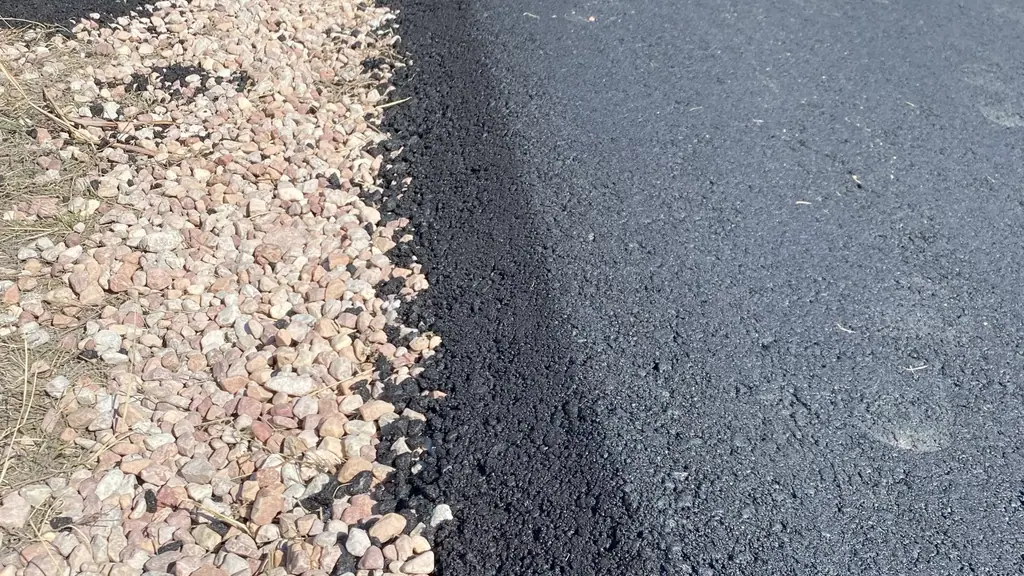
Old or failing asphalt in Palmer Lake often needs full excavation before new pavement can hold. Paul's Asphalt Service LLC handles asphalt excavation Palmer Lake CO for driveways, parking lots, and exposed base prep. We serve residential and commercial properties throughout Palmer Lake. Contact us to schedule a site visit with an asphalt contractor focused on clean removal and proper base preparation.
Signs your pavement in Palmer Lake needs excavation, not just repair
Patching failing pavement wastes money when the real problem is underneath the surface. Palmer Lake's freeze-thaw cycles cause the base to heave, and surface-only repairs break down fast when that happens. Honestly, we see homeowners patch the same stretch two or three times before someone finally digs down and finds the base has been gone for years. These are the signs we look for that point to full excavation rather than another patch:
- Alligator cracking that connects across a wide area — not a few isolated spots, but a web — tells us the base layer has given out, not just the surface
- Low spots that stay low no matter how many times they've been patched usually mean the base underneath has collapsed
- Water that pools after every storm and doesn't drain off means the grade or base has shifted enough that surface work won't fix it
- Soft or crumbling material when you press on the pavement edge means anything you put on top isn't going to hold
How asphalt excavation works from start to finish
Asphalt excavation follows a clear sequence of steps so your project stays on track without delays. Knowing what happens on job day helps you plan access and avoid surprises. Here is the order we follow:
- Mark all underground utilities before any equipment touches the surface
- Cut clean edges with a saw-cut to define the removal boundary
- Mill or break up the asphalt surface and load the debris
- Haul all removed material off the site
- Inspect the exposed sub-base for soft spots or failed fill, this step is where we find out what the pavement was hiding
Palmer Lake's mountain-area terrain and elevation can sometimes require extra removal passes to reach stable ground. That part's not always predictable until we're down there, which is why the sub-base inspection matters as much as the removal itself.
Base inspection and grading after excavation in Palmer Lake
After excavation is complete, the sub-base gets a full inspection before any new material goes down. Soft spots are identified and marked, and moisture levels are checked to confirm the base is ready. Aggregate base depth is measured against the planned pavement thickness, and the surface is graded to the correct slope for drainage. Sometimes the site needs added base rock before paving can begin — that call gets made during excavation, not after the crew has already left. We'd rather flag that during excavation than have you dealing with a sinking driveway two winters from now.
Excavation for driveway replacement vs. parking lot tear-out in Palmer Lake
Job scale determines the equipment, haul-off volume, and site access plan for each project. Residential driveways typically call for compact equipment suited to tighter lot sizes. Parking lot tear-outs for HOA or commercial sites generally require larger milling equipment and multiple dump trucks to handle the volume. On commercial jobs, access planning is worked out in advance, particularly where streets or staging areas are constrained. If you're managing an HOA property, give us the site details early so we can put together a realistic scope before anything gets scheduled.
Gravel-to-asphalt conversion: excavation needs for rural Palmer Lake properties
Converting a gravel driveway to asphalt still requires excavation to set the correct depth and grade. Existing gravel is removed to the depth needed for base rock and asphalt layers on top. The surface is then shaped with a crown so water runs off to the sides rather than pooling in the middle. Rural lots near Palmer Lake with steep grades may require cut-and-fill work to create a stable, properly sloped base before paving begins. We work out here regularly, and the grades and drainage conditions on these properties vary a lot, so a site visit usually tells us more than any description can.
Scheduling asphalt excavation in Palmer Lake around Colorado weather
Palmer Lake sits at 7,200 feet, which shortens the usable paving season compared to Colorado Springs and lower-elevation communities. According to Federal Highway Administration pavement construction guidance, ground temperatures need to stay above 50°F for asphalt to compact and bond correctly. Early snow and late spring frost can cut weeks off the available window on either end of the season. The reliable stretch runs from late spring through early fall. Contact us early in the year to discuss scheduling availability before the season begins. We fill up faster than most people expect, and this isn't a climate that forgives pushing work into October.
Frequently Asked Questions
How deep does asphalt excavation go on a Palmer Lake driveway?
Asphalt excavation on a Palmer Lake driveway typically removes 3 to 4 inches of asphalt plus any failed base material beneath it. How far we go depends on what we find, some bases have held up, others have been failing for years and need more material pulled before we hit solid ground. A site inspection gives us a better read on that before we start.
Can excavation and new paving happen in the same week in Palmer Lake?
Excavation and new paving can often happen within the same week in Palmer Lake when the sub-base is solid and dry. A wet or soft base may need several days to dry and compact before asphalt can go down. We check base condition during excavation and confirm the paving timeline on site, we're not going to put new asphalt over a base that isn't ready.
Do I need a permit for asphalt excavation on my Palmer Lake property?
Permit requirements for private driveway excavation vary depending on the scope and location of the project. Projects near town roads, rights-of-way, or recorded easements should be verified with the Town of Palmer Lake or El Paso County before work begins. Confirming permit status early prevents delays once the project is scheduled.
What happens to the old asphalt after excavation in Palmer Lake?
Removed asphalt from Palmer Lake excavation jobs is loaded into dump trucks and hauled to a recycling facility. Asphalt millings can often be processed and recycled into new base material for other paving projects, which keeps the removed material out of landfills.
Is asphalt excavation necessary for a Woodmoor HOA parking lot resurfacing project?
Full excavation of a Woodmoor HOA parking lot is only necessary when the existing pavement shows signs of base failure beneath the surface. Surface milling may be enough if the base layer is still sound and stable. A site inspection confirms which approach makes sense before any equipment comes out.
When is the best time to schedule asphalt excavation near Palmer Lake?
Late spring through early fall is the best window for asphalt excavation near Palmer Lake given the area's high-altitude climate and shortened season. Palmer Lake's elevation of 7,200 feet means early snowfall and late frost reduce the number of workable weeks available. Booking early secures a place on the schedule before the short season closes.